Catholic Parish of
The Most Holy Redeemer
BILLERICAY, ESSEX




Welcome
If you are new to our parish, or you have not been to church for a while, or you are not a Catholic and would like to find out more about the Catholic Faith, we would like to extend a warm welcome to you.
Read More >

Life In The Spirit - Seminars 2026
Be encouraged - With a mix of Live Speakers and films from "The Gift", come and explore these inspiring and practical Seminars that help people encounter the Holy Spirit and share their faith.
Read more >

Becoming a Church on Mission
As a parish, we are committed to the concept of multiplication.Multiplication is a process of evangelising, establishing, discipling and then sending people out on mission for the spread of the Gospel and the expansion of the Church.
We have produced a leaflet which explains multiplication and what it could look like in our context. If you would like to read this leaflet please click on the link.
Click here to access the document >

GIFT - Growing in Faith Together
From September 2025 we are going to be introducing a new monthly faith formation programme for families with children aged 7-11 (school years 3-6) called GIFT (Growing in Faith Together).
Read More >

Parent and Baby Friendship Group
Our Parent and Baby group offers support and friendship for parents and carers of babies aged up to eighteen months. We meet on Thursday mornings at the Pastoral Centre. Come along to relax with your baby, and enjoy a tea or coffee in a friendly and welcoming space.
Find out more >

Connect Groups
If you would like to know more about joining a Connect Group you can click on the link below to download our Connect Groups leaflet.
Connect Groups are small faith sharing groups which meet regularly to pray together and to support each other in faith.
Click here to access the document >
Your Next Step in Faith
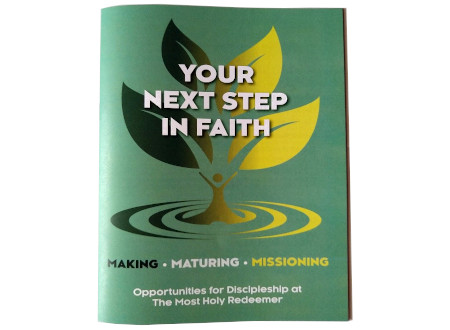
To help you consider what God may be calling you to as a next step in faith we have put together a practical booklet about discipleship.
In the booklet it describes the different stages of discipleship and how there is something for everyone within our parish which you may be interested in getting involved in wherever you feel you are on your faith journey.
Click here to access the document >

Register With Us
We are currently updating our Parish Register.
If you are new to our parish, or you are an existing parishioner, please take a moment to complete our electronic registration form to ensure that your information is up to date. Registered parishioners are entered onto a secure password protected database that is accessible only to the parish clergy and paid administrative staff. At no time is your data passed on to any third party for any purposes without your expressed consent.
Register with us >
The MHR Live Streams
The MHR's Youtube channel will be broadcasting live streams of the Saturday 6pm and Sunday 9am Masses, as well as other services that have been indicated through the newsletter and/or Facebook. These will then be available to play back afterwards.
To download the Order of Mass, click here
Go to channel >

Connect With Us
Whether you are new to our parish or a regular parishioner we would love to stay in touch with you. Click on the link below, fill in your contact details and we will send you regular updates on our Masses, activities, social events and much more.
Connect >

Alpha – Explore Life, Faith, Meaning
Would you like to stop and think about some of the really important questions of life?
The Most Holy Redeemer Catholic Church Invites You to give yourself time, come and Try Alpha.

Get Involved
There are lost of groups and initiatives you can join, courses and activities to take part in. Get involved and make a difference in our community.
Explore >
Music
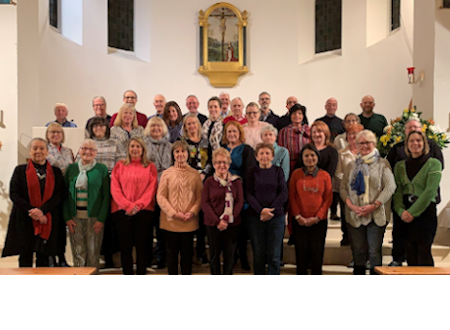
The Most Holy Redeemer Church has a fine tradition of music over many decades. It has three choirs and a number of musicians who sing/play regularly for Sunday Masses and other services.
Read More >


